
 By
·
6 minute read
By
·
6 minute read
Linear manufacturing still shapes how many manufacturing organizations plan and release products. Work moves forward in a rigid sequence, beginning with concept and continuing into design, sourcing, production, and launch. This structure can feel predictable, but in markets driven by software updates, tighter supply chain management requirements, and shifting demand patterns, a sequential manufacturing process restricts performance.
This article explains how linear manufacturing works, what it looks like inside real operations, and why today’s high-tech companies require a more adaptive model. You will see how rigid structures create hidden costs, why sequential workflows slow time to market, and how a portfolio-centric approach gives engineering and product teams room to adapt with better visibility for customers and stakeholders.
What is Linear Manufacturing?
Linear manufacturing is a stage-based, sequential production approach. Strategy, requirements, design, engineering, sourcing, production, testing, and launch all happen in order, with each stage handed off after completion. Change is limited, and teams follow strict controls, so any adjustment introduced late does not disrupt downstream work.
This model originally suited industries defined by hardware, long lead times, and stable supplier relationships. Production cycles were predictable, and most companies optimized capacity for steady, high-volume outputs. In those environments, linear systems protected quality, maintained compliance, and helped leaders stay aligned on costs and timing.
At its best, linear manufacturing creates clear accountability. It gives organizations documented deliverables, well-defined signoffs, and a single version of the plan. However, the assumptions that allowed this model to thrive have shifted.
Today’s customers expect features quickly (which often requires product leaders to adopt faster product iterations, agile product development practices, and strong hardware and software integration), product lines include more electronics, and global suppliers face frequent disruptions. As a result, the cost of change increases sharply the further teams move along the linear workflow.
Why Linear Manufacturing Struggles in Volatile Markets
Linear manufacturing often fails to survive in heavily volatile markets. Sequential workflows delay information. When a customer requirement changes or when a supplier signals a shortage late in the cycle, engineering teams must issue change orders, revalidate components, and adjust drawings. Production teams then reschedule work and revise test planning. These challenges are common across providers in electronics, hardware, and other manufacturing sectors.
Software updates add more pressure. Firmware and application layers may change every few weeks, while hardware programs move on multi-quarter timelines. If the roadmaps behind these systems are not aligned, the final product experience suffers. The mismatch lowers product quality, increases rework, and slows time to market.
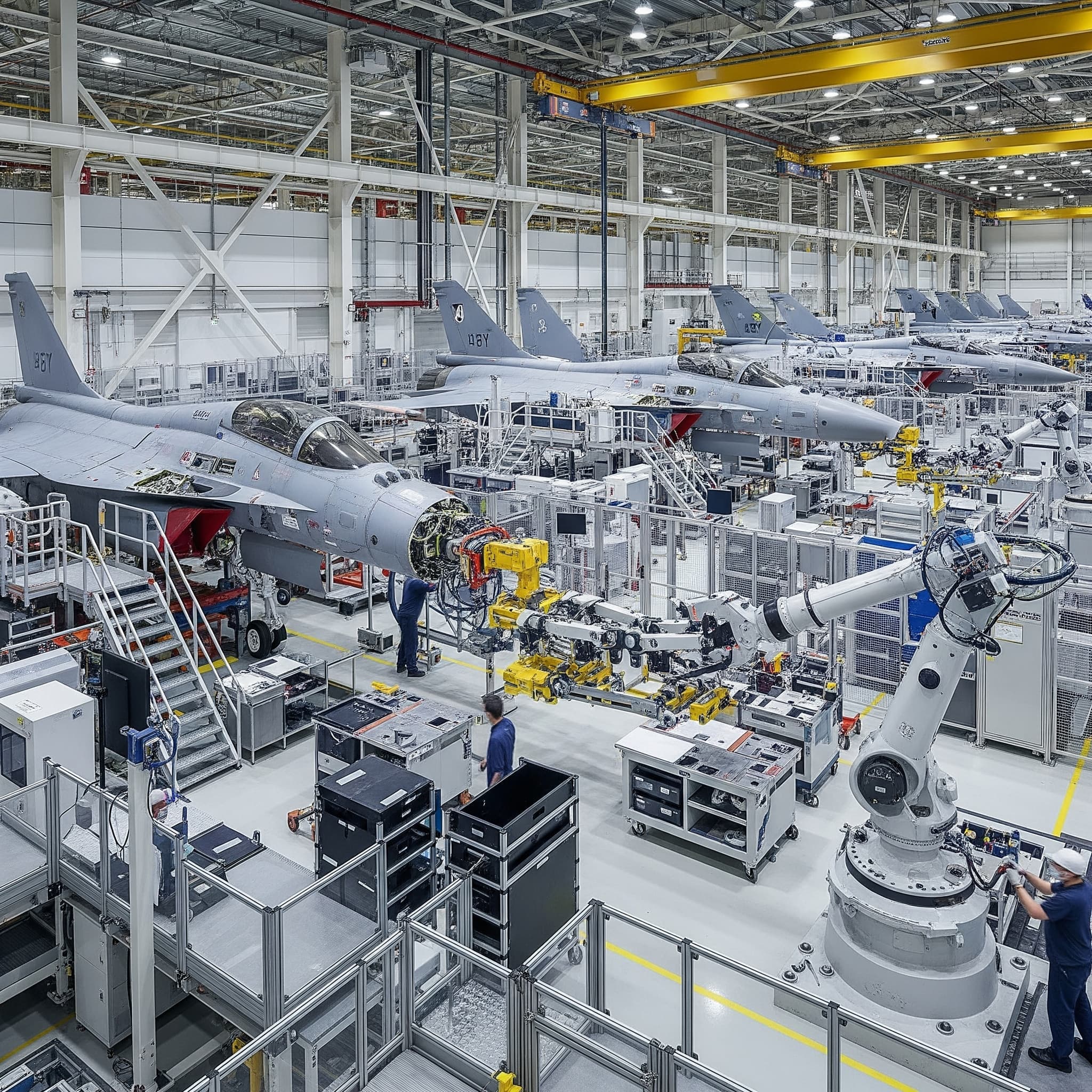
Linear manufacturing also tends to favor large batch cycles and fixed annual planning. This structure increases inventory exposure and raises costs during shortages, overtime, and expedited shipments. These are the types of operational drains that limit ROI for companies that compete in global markets like Colorado Springs, CA, CO, or any region balancing supply chain fluctuations and competitive product strategies.
Linear Manufacturing in Practice: Daily Realities and Risk
Consider the example of an electronics manufacturer preparing a major refresh of a flagship device. Requirements lock at Gate 2, and the bill of materials follows soon after. If a supplier places a critical part on allocation, sourcing must escalate the issue. Engineering then must rework designs. Every update triggers engineering change orders, revised drawings, and new validation cycles. Production reschedules testing and adjusts capacity. Each function waits for the previous team to complete its work.
Software development progresses in parallel. When feedback arrives from beta testers, developers implement fixes. Under a linear manufacturing structure, late updates may not be included unless the company opens exceptions. This forces new testing cycles, last-minute decisions, and potential launch delays.
The result is wasted time, duplicated documents, and fragmented data. Managers spend unnecessary hours navigating spreadsheets, reconciling status reports, and managing cross-team questions. The cost is not just workload; it is lost opportunity. Dedicated employees could be solving engineering problems or reviewing customer insights, but instead are pulling outdated information together across regional plants or suppliers.
Signals that Your Organization is Stuck in Linear Manufacturing
Leaders often recognize these limitations from day-to-day interactions. Common signals include:
-
Roadmaps are stored in slide decks while engineering systems live elsewhere. Leadership learns about issues only during stage reviews.
-
Mismatched timelines between hardware and software, which forces late compromises.
-
Component shortages ripple across the organization through weeks of change orders.
-
Expedited freight and overtime that arise after design freezes.
-
Portfolio decisions are based on outdated information, allowing low-value programs to move forward while higher-impact programs wait.
-
Dependencies tracked manually, resulting in inconsistent communication and unwelcome surprises.
5 Reasons Linear Manufacturing is a Problem
Modern manufacturing companies depend on responsiveness and differentiation. Growth depends on speed, while profit depends on efficiency. A sequential manufacturing process, built for predictability, struggles to deliver both.
-
Silos slow information flow.
Sequential handoffs require finalized deliverables before teams can begin. According to a report from the National Association of Manufacturers, teams spend up to 30 percent of their week on manual documentation caused by rigid processes. This reduces productivity and limits the expertise of engineering and operations teams. -
Issues surface late, when change is costly.
When design freezes occur before cross-functional risks are clear, defects and mismatches appear downstream. This forces expensive rework across sourcing, engineering, and production. -
Limited ability to respond to market or supply disruptions.
Linear workflows treat deviations as exceptions. This rigidity leads to overtime, additional inventory, or missed market windows, all of which reduce ROI. -
Poor management of cyber-physical dependencies.
Software features, hardware components, and regulatory requirements rarely align neatly. When schedules diverge, teams either ship incomplete customer experiences or introduce changes that disrupt the manufacturing process. -
Lack of visibility into portfolio-level ROI.
Sequential planning typically reviews projects individually. Without a connected roadmap, leaders lack a clear view of which combinations of features or product variants produce the best financial outcomes.
How to Replace Linear Manufacturing with Adaptive Product Roadmaps
Adaptive planning offers a more effective path for organizations that manage complex engineering and manufacturing work. Instead of long sequential cycles, an adaptive roadmap is a living portfolio that incorporates market inputs, supplier health, engineering status, and plant capacity.
Cross-functional teams collaborate through a shared digital roadmap that connects software features, hardware components, regulatory requirements, and supply risks. Stage-gate processes still exist, but teams can adjust features, variants, or schedules quickly based on real-time information.
Linear Manufacturing vs Adaptive Planning: Implications for Product Leaders
Adaptive roadmapping surfaces risk earlier, reduces the need for expedited work, and improves time-to-market. Organizations using this approach report measurable gains. The Deloitte 2025 Smart Manufacturing Survey found that leaders using adaptive practices saw major improvements in operational efficiency and release timing.
The financial impact extends through capital efficiency as well. When scenarios directly quantify revenue, margin, working capital, and cost-to-serve, portfolio decisions become clearer. McKinsey research shows that manufacturers who use cross-functional squads and living roadmaps cut development cycles significantly while improving cost structures.
These systems also strengthen resilience. When suppliers report a risk or regulators update requirements, adaptive roadmaps show exactly which features, variants, or components are affected. Leaders can then choose scenarios that balance quality, cost, and timing.
Capabilities Required to Make the Shift
A successful move away from linear manufacturing depends on stronger alignment across strategy, engineering, sourcing, and operations. Key capabilities include:
-
Portfolio hierarchy and variant management, supported by portfolio-centric roadmaps.
-
Dependency mapping across cyber-physical systems, including software, hardware, suppliers, plants, and regulatory needs.
-
KPI-aligned decisions using KPI Set Roadmaps to tie each scenario to measurable business outcomes.
-
Scenario planning with supply and capacity constraints.
-
Governance that complements stage-gate, allowing adjustments between gates while maintaining compliance.
-
Open integrations across systems such as ERP, MRP, JIRA, or Power BI, ensuring each roadmap remains accurate and up to date.
Implementation can begin quickly. Select a product family with supply challenges or rapid software updates, then establish one connected roadmap for that program. Teams in engineering, sourcing, and operations can align within weeks, creating better visibility and improving customer outcomes. Within 90 days, many companies see faster decisions, better forecasting, and improved control over manufacturing costs.
Move Beyond Linear Manufacturing with Gocious
Linear manufacturing once supported stable markets and hardware-focused product lines. Today, this model increases coordination costs, creates delays, and hides early signals that affect ROI. Adaptive, portfolio-centric roadmaps help organizations create clarity, reduce risk, and deliver higher-quality products while maintaining flexibility.
To see how adaptive planning can support your engineering teams, improve product quality, and strengthen your supply chain management approach, you can request a custom demo here:
Schedule a Custom Demo.
Frequently Asked Questions