Skip to content

STRATEGIC PRODUCT PORTFOLIO PLANNING 

Product Portfolio Planning Software for Complex Manufacturers 

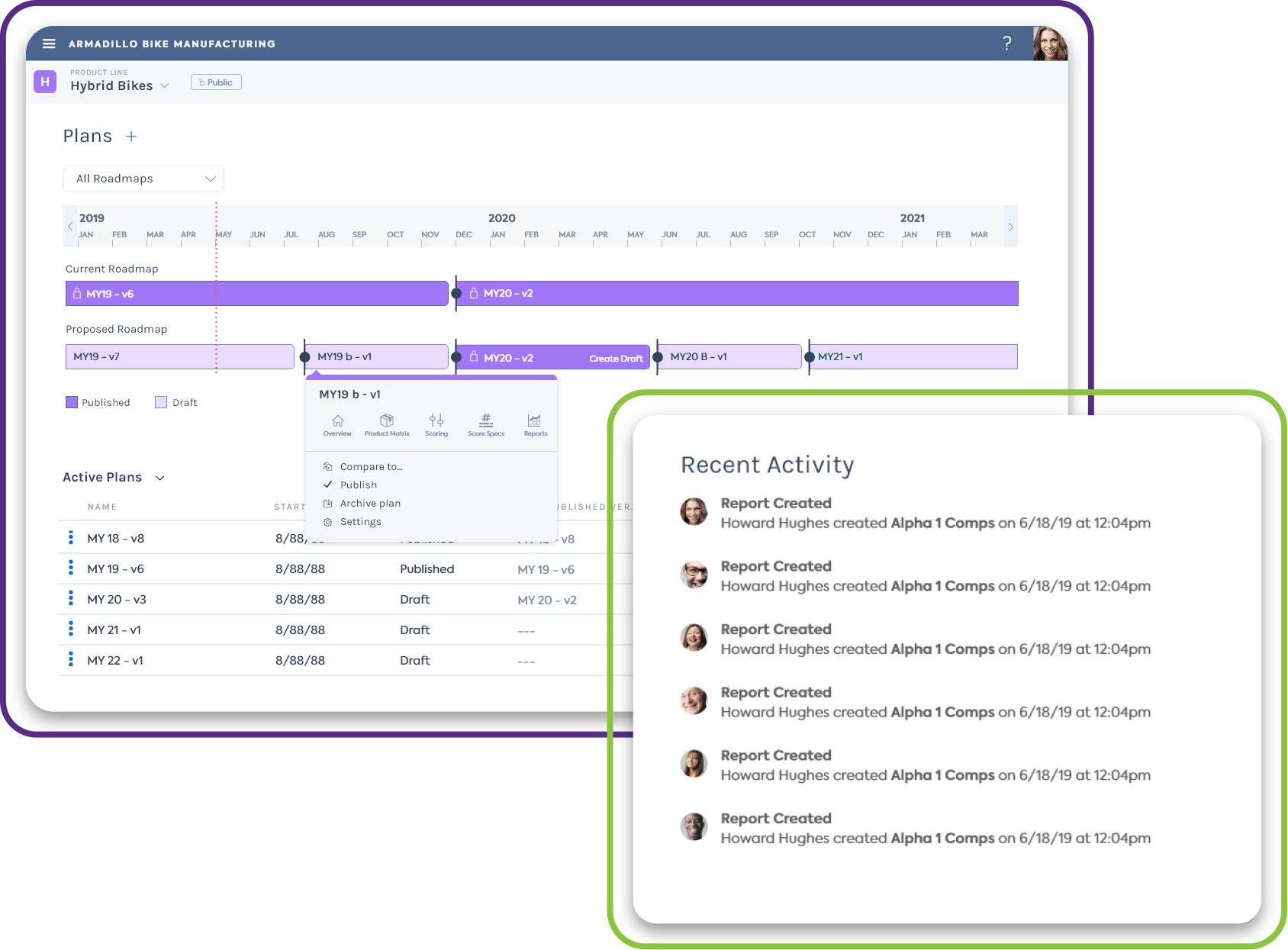
Gocious keeps product portfolio planning current, connected, and credible as reality changes.

See what is launching, changing, aging, and slipping across hardware, software, variants, shared modules, lifecycle states, and roadmap assumptions, all in one planning layer built for complex manufacturing decisions. 

Portfolios Header
Portfolio Interface

What Is Product Portfolio Planning Software? 

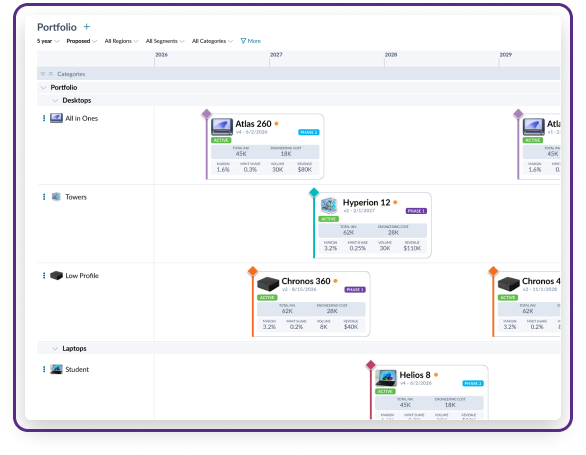
Product portfolio planning software helps complex manufacturers see and manage decisions across the full product line, including product families, lifecycle states, roadmap assumptions, shared dependencies, business context, and cross-product change.

Instead of relying on a deck assembled the week before the review, teams can work from a connected planning layer that reflects current product data, planning assumptions, lifecycle changes, and downstream impact.

 Product Portfolio Planning That Stays Connected to Reality 

Group 791

Keep the Portfolio Plan Current Between Reviews 

Portfolio credibility collapses when the planning cadence outruns the data. Teams spend the week before every review pulling from PLM, chasing stage-gate updates, and reconciling conflicting spreadsheets.

By the time the deck lands in the room, it may already be behind reality.

Gocious replaces that scramble with continuous product portfolio planning.

As product plans, lifecycle states, roadmap assumptions, and shared dependencies change, the portfolio view stays connected to the planning context underneath it, so leaders can make decisions from the same trusted picture.

Explore Continuous Planning
Group 792

See Shared-Module Risk Before It Cascades 

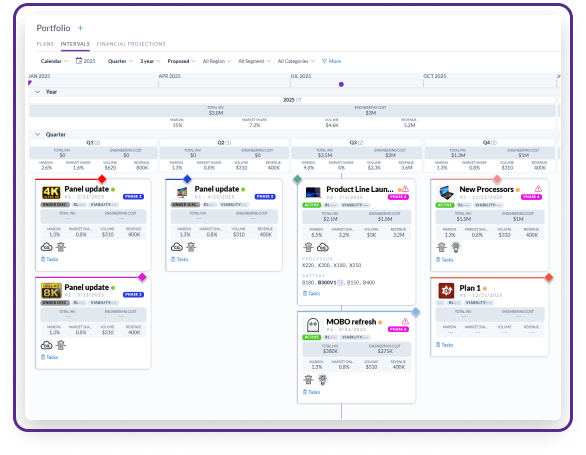
The riskiest dependencies rarely show up at the individual product level. They hide in the platforms, modules, and subsystems several products share.

One delayed component can ripple across six SKUs, three regions, and two model years. That exposure often stays invisible until someone manually cross-references program schedules, usually after the commitment is locked.

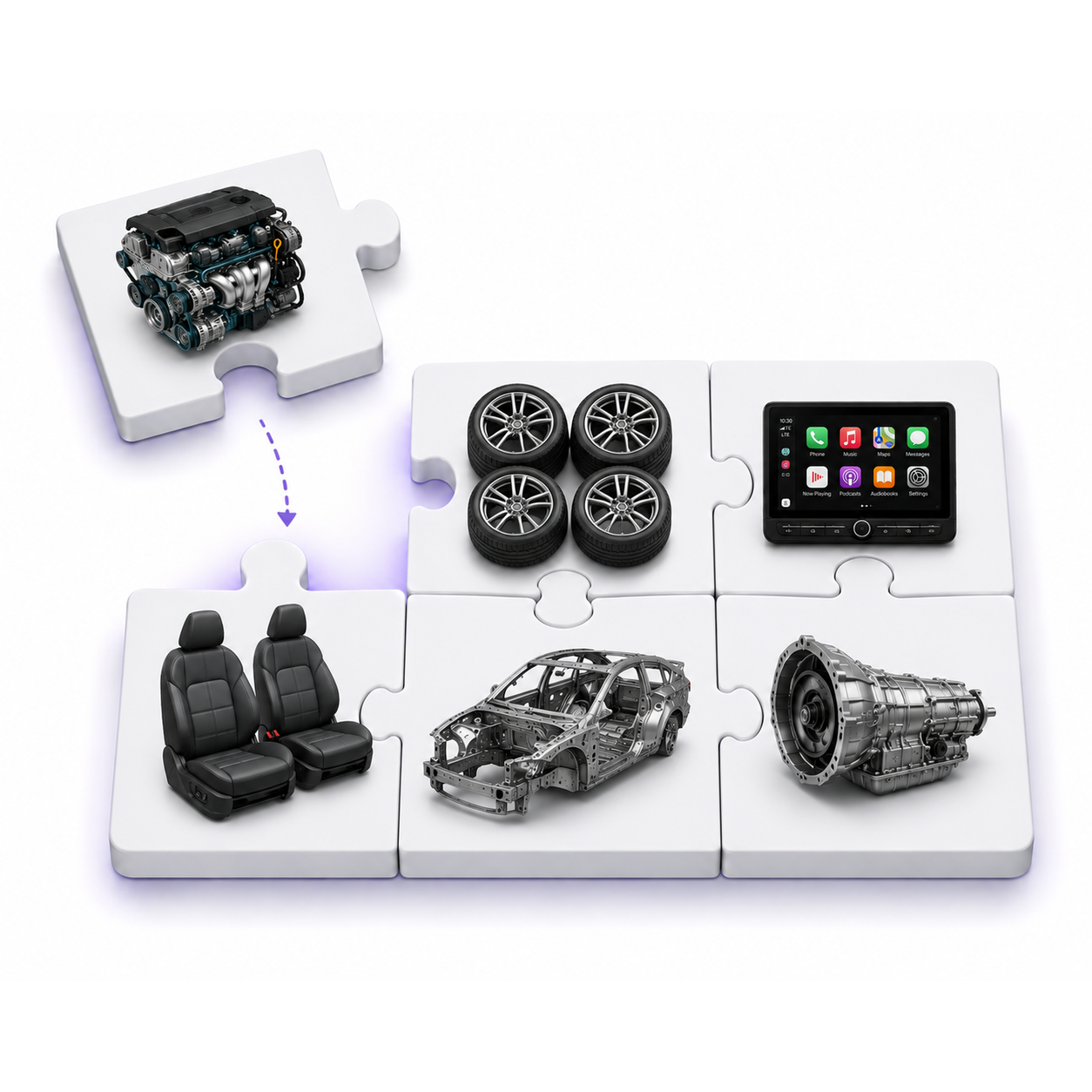
Gocious maps how products share modules and how change can affect the rest of the portfolio, so the business does not look healthy in pieces while becoming exposed as a whole.

See Dependency Risk Earlier
Group 793

Decide What Needs to Move, Wait, or Change 

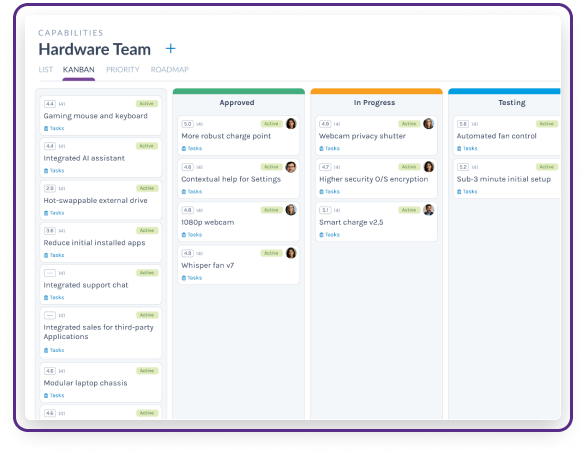
In most portfolio reviews, leaders can ask the right questions faster than teams can show the impact. What should move forward? What should wait? What changed enough to revisit? What needs attention before the next review?

Those answers are hard to defend when timing shifts, scope changes, dependency risk, and business context live across disconnected spreadsheets, roadmaps, and slide decks.

Gocious gives teams a connected planning view so portfolio tradeoffs and downstream impact are easier to understand while decisions are still open.

See Portfolio Tradeoffs Clearly
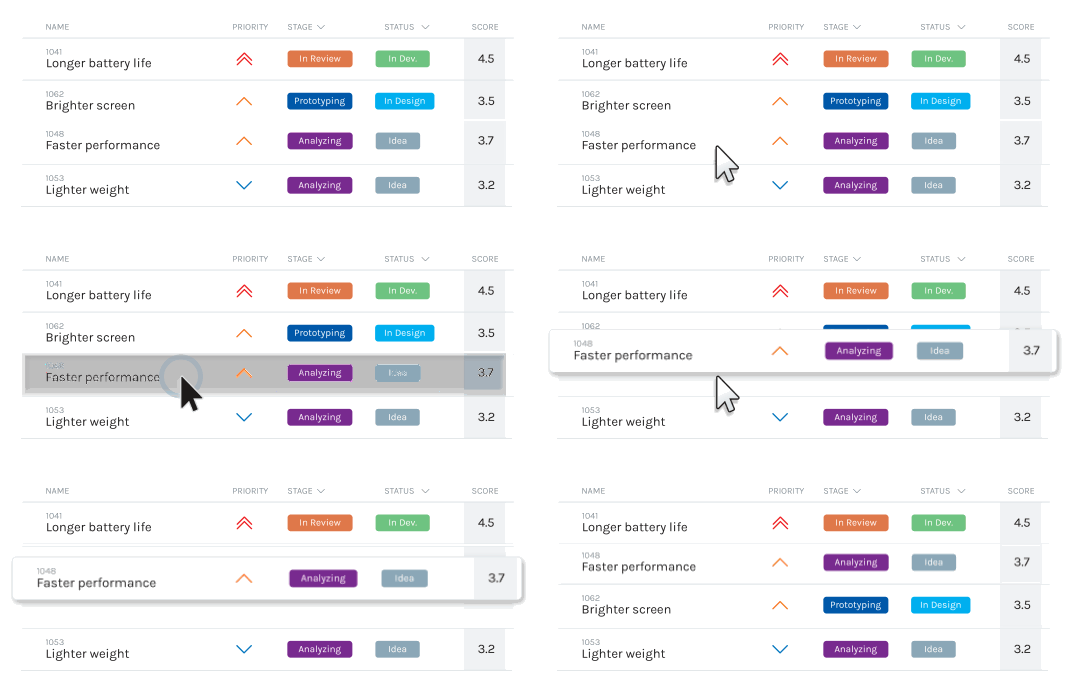
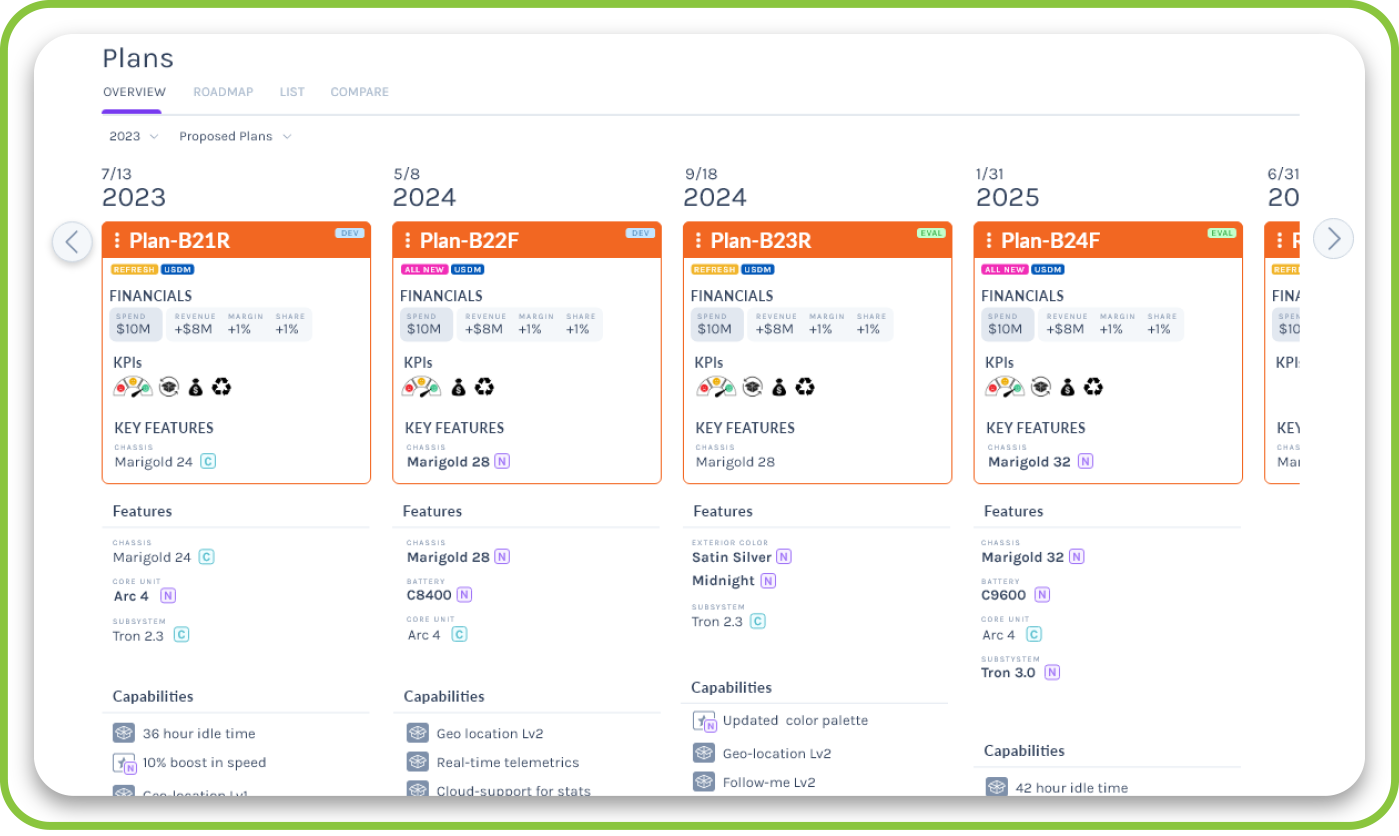
 See Product Portfolio Planning in Action 

Discover how complex manufacturers move from fragmented, slide-based planning to one trusted portfolio view that holds up under scrutiny.

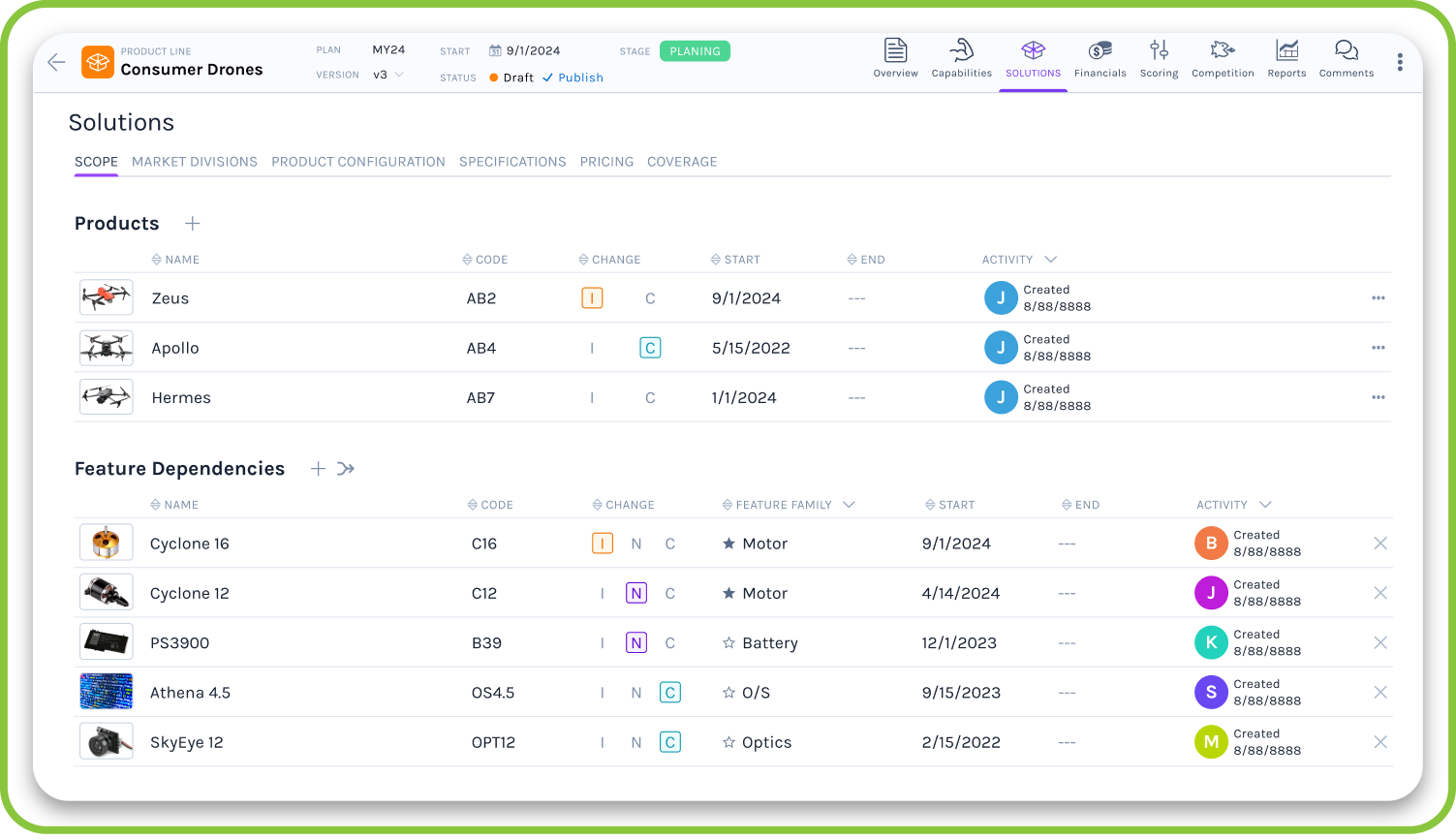
Book a custom demo for a guided walkthrough of lifecycle states, shared dependencies, product changes, roadmap assumptions, and portfolio tradeoffs in one place. 

GC_Screen-animation
Gocious Portfolios Interface 2
 READY FOR A PORTFOLIO VIEW THAT HOLDS? 

Replace the Pre-Meeting Scramble With a Plan You Can Defend

Stop walking into reviews with a view you already know is stale.

Gocious gives portfolio leaders a credible, continuously updated picture of the product line, connected to the planning context behind it, so the meeting is spent deciding where to invest, what to revisit, and what needs attention next.

 What Changes When Product Portfolio Planning Is Trusted 

  • One connected planning view 
    Stop rebuilding the story every cycle and reduce data debates in executive reviews. 
  • Earlier risk awareness 
    See lifecycle, roadmap, and shared-module exposure before commitments are locked. 
  • Clearer decision points
    Understand what should move forward, what should wait, and what has changed enough to revisit. 
  • Coherent hardware and software plans 
    Keep hardware and software timelines aligned even when they run on different clocks. 
  • Less manual rework 
    Reclaim the weeks spent reconciling spreadsheets, slide decks, and conflicting updates each cycle. 

 Why Complex Manufacturers Choose Gocious 

Portfolio Image 1-1

Built for Manufacturing Complexity 

Gocious is not a horizontal roadmapping or project tool retrofitted for hardware.

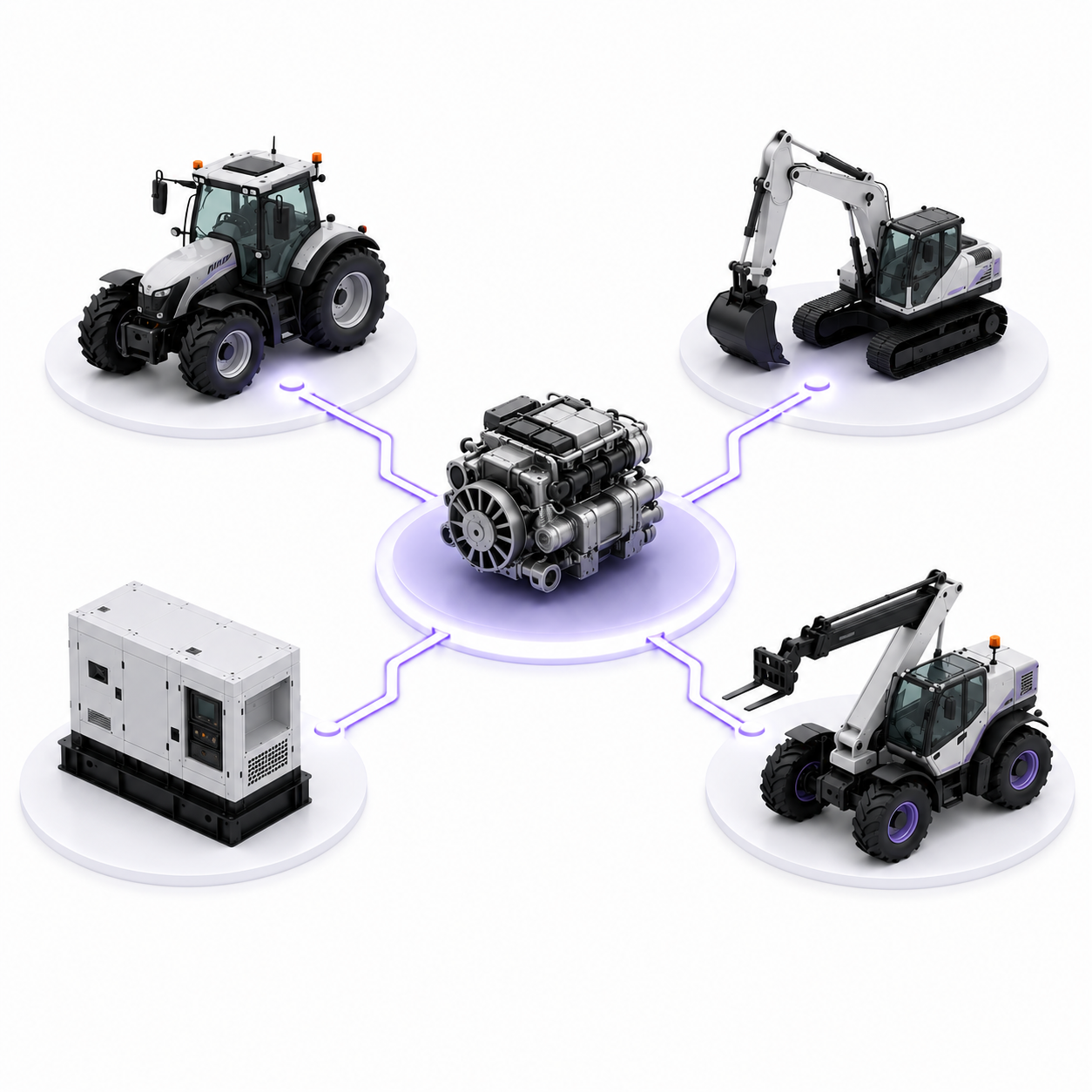
Our software is built for product portfolios with shared platforms, long lifecycles, regional variants, hardware and software dependencies, and planning assumptions that change after the review deck is built. 

gocious-ideas-decisions-execution-1254x1254

The Planning Layer Between Roadmaps & PLM 

Most execution systems were not built to answer portfolio-level questions. Gocious fills that gap.

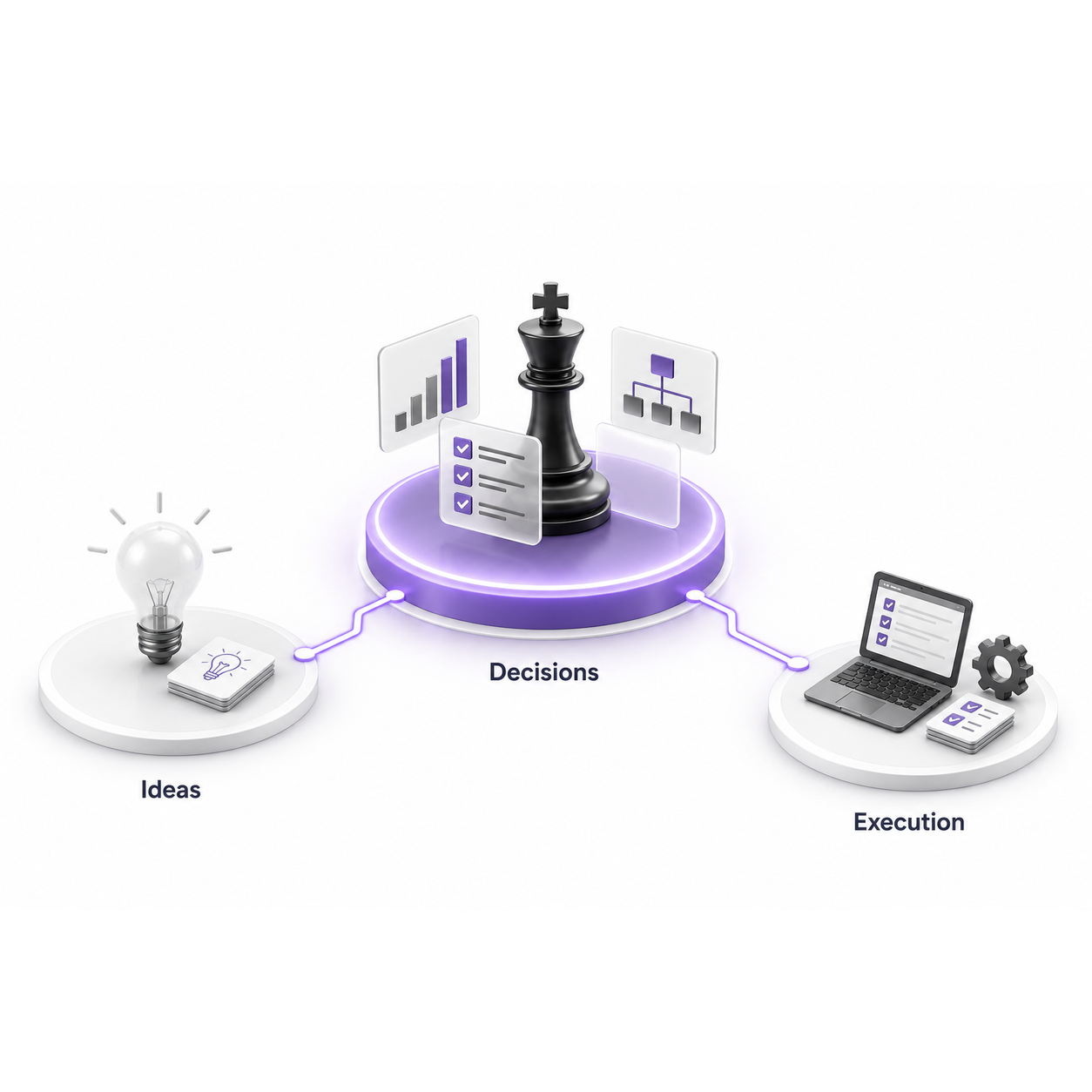
As the strategic planning layer where decisions are made, Gocious gives teams a connected planning view for the decisions that sit above tasks, tickets, BOMs, engineering change records, and resource plans. 

automotive-puzzle-1254x1254

Portfolio Visibility That Adapts as Reality Changes 

Start with one credible view of the portfolio, then add more planning rigor over time.

When it comes to product portfolio strategy and optimization, Gocious helps teams move from fragmented visibility to connected portfolio planning without forcing an all-or-nothing transformation. 

 Proven in Complex Manufacturing

Complex manufacturers need planning context that can hold up as assumptions change. AGCO uses Gocious to support product portfolio planning across complex manufacturing environments where hardware, software, services, and global product lines need to stay connected.

"Gocious has transcended the role of a mere product management tool for AGCO. They’re a critical
partner in our journey to success."

Rodrigo Soeira de Souza
Director, Global Product Roadmaps Management and Product Investment, AGCO

Walk Into Reviews With a Portfolio View You Can Defend 

 Stop walking into reviews with a portfolio picture you already know is stale. Gocious gives complex manufacturers a connected planning layer for lifecycle plans, dependencies, roadmap assumptions, and portfolio change, so teams can focus on decisions instead of reconciling spreadsheets, slides, and conflicting updates. 

Frequently Asked Questions

What is product portfolio planning?

Product portfolio planning is the process of deciding what to build, evolve, and retire across an entire product line. With Gocious, product portfolio leaders can manage lifecycle states, shared modules, dependencies, roadmap assumptions, and investment priorities in one trusted view.

For manufacturers in complex portfolio environments, product portfolio planning connects individual product roadmaps to portfolio-level strategy.

What is product portfolio planning software?

Product portfolio planning software gives manufacturers a continuously updated view of every product across its lifecycle, including shared modules, dependencies, lifecycle states, roadmap assumptions, and cross-product impact.

Gocious operates in the planning layer above execution systems like ERP, MES, and PLM, helping teams make product portfolio planning decisions from current data instead of disconnected spreadsheets and slide decks.


How is product portfolio planning different from PLM?

Product Lifecycle Management (PLM) manages the technical record of a product, including BOMs, engineering data, and change control. Product portfolio planning sits one layer above. It helps teams decide what to build and when, while showing how product changes affect the broader portfolio.

Execution systems manage detail. Portfolio planning manages coherence. Complex manufacturers need both.


How does Gocious keep hardware and software roadmaps in sync?

Gocious puts hardware and software plans in the same portfolio view, with key dependencies, roadmap assumptions, and lifecycle states visible across products.

Software sprints and long-lead hardware milestones run on different clocks. Gocious makes the connection points visible, so a firmware slip, tooling delay, or shared-module change can be understood in the context of the broader portfolio.


How do you plan a portfolio with shared platforms, modules, and variants?

For complex manufacturing portfolios, visibility is the first problem to solve. Gocious maps which products rely on which platforms and modules, so a change to one can be understood across the products, regions, and lifecycle plans it touches.

That helps teams see variant growth and shared-module exposure at the portfolio level, not just inside each individual product plan.


What is continuous planning, and why do annual portfolio plans fail for manufacturers?

Manufacturing reality does not hold still for twelve months. Supply shifts, module delays, lifecycle changes, and regional priority changes can invalidate assumptions within a quarter.

Continuous planning keeps the portfolio view updated as inputs change and connected to the planning assumptions underneath it, so the plan stays decision-ready instead of becoming a snapshot of a portfolio that no longer exists.


How does Gocious product portfolio planning software differ from project management tools?

Project management tools track tasks and delivery. Dev-first roadmapping tools focus on features and epics.

Gocious is built for the decisions above and before execution: what to build, what to evolve, where dependencies are forming, what assumptions changed, and how product changes affect the broader portfolio. It helps portfolio leaders gain a current, credible view of the product line so they can make stronger planning decisions.


Ready to Add a Strategic Planning Layer to Your Portfolio Management?

Schedule a custom demo today.