
 By
·
9 minute read
By
·
9 minute read
Product portfolio governance is the decision discipline manufacturers use to keep portfolio decisions clear, current, and accountable as assumptions, capacity, dependencies, lifecycle plans, and market conditions shift.
For complex manufacturers, this is harder than it sounds.
Product portfolio decisions carry physical, financial, and organizational inertia. A single decision may depend on:
-
Regional demand
-
Shared platforms
-
Supplier constraints
-
Lifecycle timing
-
Software readiness
-
Margin expectation
-
Long-range capital commitments
These inputs rarely change at the same time or in the same system. That is why portfolio governance is not just a meeting cadence, approval process, or reporting framework. It is the operating discipline that helps product and portfolio leaders answer a more important question:
Can we still trust the portfolio decision we made?
Short Answer
Product portfolio governance helps manufacturers make, review, and revisit portfolio decisions so the business can see when an approved plan no longer reflects current reality. It is especially important in complex manufacturing because one change in capacity, lifecycle timing, regional demand, or a shared platform can affect multiple product lines and investment decisions.
This guide explains what product portfolio governance means for manufacturers, why it matters for product leaders in complex product environments, and how to build a governance framework that keeps portfolio decisions credible as assumptions, dependencies, capacity, and lifecycle plans change.
What is Product Portfolio Governance?
Product portfolio governance is the structure a company uses to make, review, update, and communicate decisions across a product portfolio.
Within product portfolio management, governance is the decision layer that keeps approved plans connected to the assumptions, dependencies, lifecycle commitments, and tradeoffs that support them.
It defines:
-
Who owns portfolio decisions
-
What information leaders need before making or revisiting those decisions
-
Which assumptions support the approved portfolio plan
-
How often those assumptions are reviewed
-
When a change should trigger a portfolio-level discussion
In manufacturing, portfolio governance applies to the products, platforms, programs, variants, and lifecycle commitments a company builds and sustains over time.
It helps leaders decide which products or platforms should receive investment, which assumptions support those choices, who is accountable for reviewing changes, and how tradeoffs are understood across the full portfolio, not just inside one roadmap or one review deck.
Governance matters because portfolio decisions often stay in motion long after approval. A product line may still look healthy on a slide while the assumptions behind it have already changed.
Why Product Portfolio Governance Matters in Manufacturing
Complex manufacturers do not usually struggle because they lack plans. They struggle because the plan leadership approved and the reality teams are managing can slowly drift apart and break down.
A portfolio may have been approved based on a certain launch window, market assumption, cost target, platform strategy, or capacity plan. Over time, one region changes demand expectations. Engineering shifts resources. A shared module slips. A supplier constraint appears. A legacy product needs to stay active longer than expected.
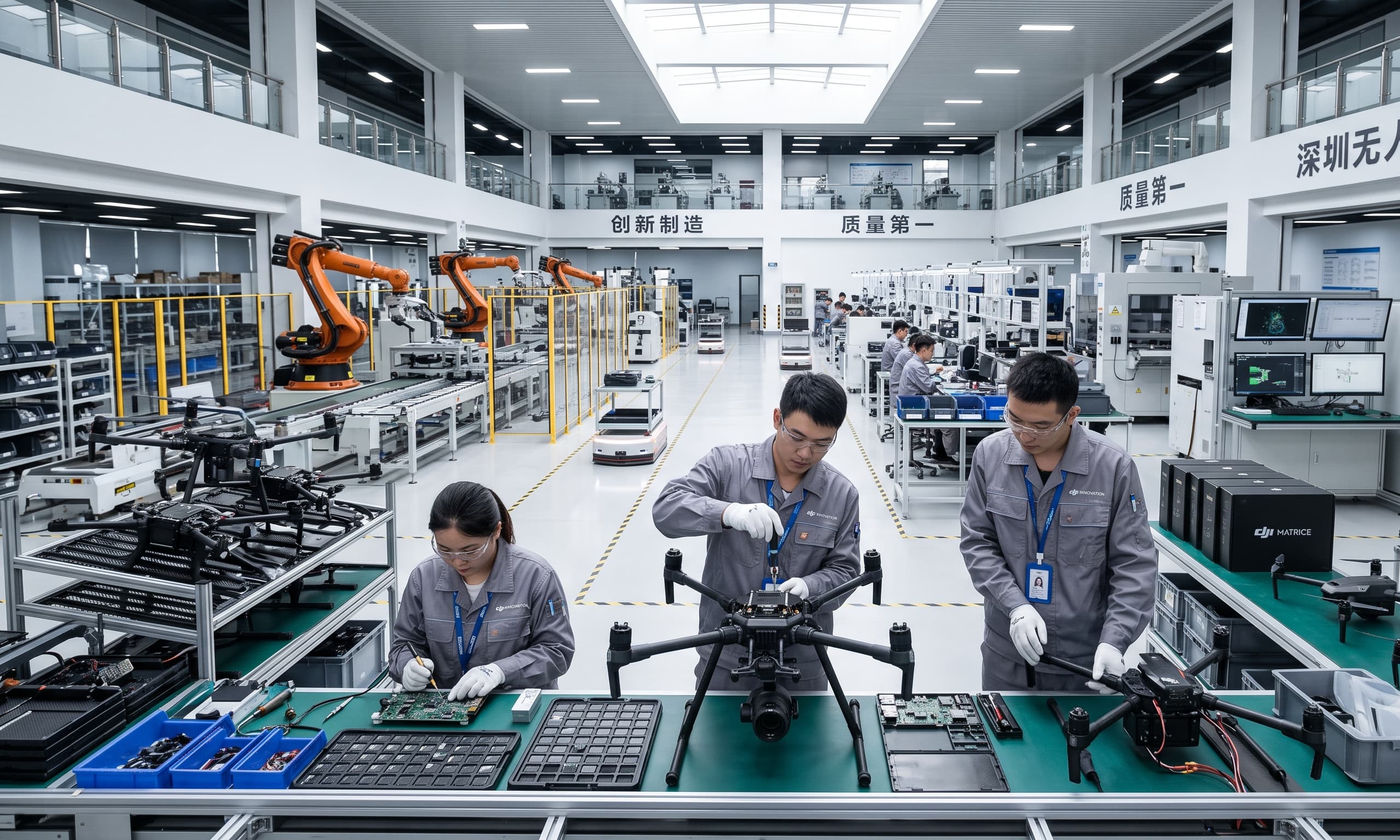
Each change may look manageable on its own. The problem is the combined portfolio impact.
In an industrial equipment portfolio, for example, one shared platform delay can affect multiple product lines, regional launch commitments, margin expectations, and the timing of a planned product sunset. What looks like a local schedule change can quickly become a portfolio-level decision.
Without strong product portfolio governance, manufacturers often end up with:
-
Multiple versions of the portfolio story
-
Roadmaps that no longer reflect current assumptions
-
Executive reviews focused on explaining changes instead of making decisions
-
Portfolio teams manually reconciling inputs from disconnected sources
-
Late visibility into lifecycle, dependency, or capacity risk
-
Decisions that remain formally approved but are no longer strategically credible
According to our recent manufacturing innovation trends report, these forces are only intensifying and driving faster change across manufacturing industries.
Good governance helps manufacturers see when a portfolio decision has become strategically different before that change shows up as a launch delay, lifecycle conflict, margin miss, misallocated investment, or executive-review surprise.
Product Portfolio Governance vs. Product Roadmap Management
Product portfolio governance and product roadmap management are related, but they are not the same thing.
A product roadmap usually shows direction, timing, priorities, and planned work for a product, product line, or platform. Product portfolio governance falls under product portfolio planning and helps leaders understand how those roadmap decisions interact across the broader business.
For example, a roadmap may show that a new product launch is on track. Portfolio governance asks whether that launch still makes sense when viewed against capacity, lifecycle timing, regional priorities, shared dependencies, and the rest of the portfolio.
If governance gets reduced to roadmap updates, teams may keep the roadmap current while missing bigger portfolio tradeoffs. The goal is not just to maintain cleaner plans. The goal is to protect the quality of portfolio decisions as conditions change across products, platforms, regions, dependencies, and lifecycle commitments.
Product Portfolio Governance vs. PLM
Product portfolio governance is also different from product lifecycle management (PLM).
PLM systems are often used to manage detailed product data, engineering processes, bills of materials, requirements, changes, and lifecycle records. Product portfolio governance is focused on decision visibility across the portfolio. It helps leaders understand whether the business still has the right mix of products, investments, platforms, and lifecycle commitments.
Manufacturers may need both. But governance should not be treated as a PLM replacement, and PLM should not be expected to carry the full strategic portfolio story by itself.
When it comes to governance, leaders must ask both "What changed in the product record?” and "What does that change mean for the portfolio decision?"
Product Portfolio Governance Framework: 5 Core Elements
A strong product portfolio governance framework usually includes five elements. Together, they turn governance from a reporting ritual into a decision discipline.
1. A Trusted Portfolio View
Leaders need one credible view of the portfolio that reflects the current state of major products, programs, platforms, lifecycle moves, dependencies, and planning assumptions.
This means the portfolio view is current enough and complete enough to support real decisions. If every team brings a different version of the truth to the review, governance breaks down before the discussion even starts.
Leaders and their teams can dedicated product portfolio planning software to maintain a single portfolio view current across products, dependencies, and lifecycle moves, so no one arrives at the review with a different version of the truth.
2. Clear Decision Ownership
Portfolio governance should clarify who recommends, reviews, approves, and revisits decisions. In many manufacturing organizations, portfolio operations teams are responsible for preparing the portfolio view, but they do not own the source data or the final decisions.
That creates a dangerous gap.
The team maintaining the picture can be blamed when the picture changes, even though they did not create the underlying change. Clear governance separates decision ownership from portfolio coordination.
3. Visible Assumptions
Every major portfolio decision depends on assumptions. Those assumptions may include market demand, launch timing, cost targets, resource availability, platform reuse, regional requirements, supplier readiness, or lifecycle plans.
When assumptions are hidden in slides, spreadsheets, or team-specific updates, leaders may continue trusting a decision after its foundation has changed. Good governance keeps key assumptions visible after approval, not just during the planning meeting.
4. Change Triggers
Governance should define when a portfolio decision needs to be reviewed again. Not every change requires executive escalation.

But some changes should trigger a closer look, such as a launch date moving across a key market window, a shared component slipping, a major region changing demand assumptions, a product sunset moving later than planned, capacity shifting away from a funded priority, cost or margin assumptions changing materially, or a dependency affecting multiple product lines.
5. A Review Cadence that Matches the Pace of Change
Many manufacturers run portfolio reviews on a fixed cadence. The challenge is that portfolio reality does not wait for the next quarterly meeting. Governance should help teams keep the portfolio view current between reviews, especially when leadership expects faster updates or more frequent decision visibility.
The cadence should not create more reporting burden. It should help teams see meaningful changes early enough to act.
Common Product Portfolio Governance Problems
Product portfolio governance often breaks down in predictable ways. Here are four common problems the Chief Product Officer, VP of Product, or Director of Product may face:
1. The Portfolio View Becomes a Presentation Exercise
When teams rely on slides and spreadsheets to explain the portfolio, the presentation can become the working decision layer. Teams spend time rebuilding the story for each review instead of maintaining a living view of the portfolio.
Over time, the product portfolio review becomes less about deciding what should change and more about explaining why the story changed since the last meeting.
2. Product Decisions Outlive Their Assumptions
A portfolio decision may remain approved long after the assumptions behind it have changed. This is especially common when lifecycle plans, capacity constraints, regional needs, or shared dependencies shift quietly across teams.
This is how portfolio drift begins. The portfolio still looks approved, but the business case, timing, risk profile, or strategic logic behind it may no longer hold.
3. Governance Turns into Project Status Reporting
Portfolio governance should not become a project management meeting. Status matters, but the higher-value question is whether the portfolio still reflects the product portfolio strategy the business intended to fund.
If the conversation stays at the task or milestone level, leaders may miss broader tradeoffs across product lines, platforms, and lifecycle commitments.
4. Portfolio Teams Absorb Accountability without Authority
Portfolio operations teams often coordinate inputs from product, engineering, finance, regional teams, and leadership. But if they do not own the decisions or the source systems, they can become the manual integration layer for the company's portfolio view. Governance should reduce that burden, not formalize it.
How Product Portfolio Governance Reduces Decision Lag
Decision lag occurs when teams recognize change too late for leaders to make a true portfolio decision. In manufacturing, this often happens because updates are scattered across systems, meetings, spreadsheets, and team-specific views.
By the time the issue reaches leadership, the organization may already be explaining the impact instead of choosing between options.
Product portfolio governance helps reduce decision lag by making the right changes visible earlier. It gives teams a clearer way to answer:
-
Which assumptions changed?
-
Which products, programs, platforms, or regions are affected?
-
Does this change create a portfolio-level tradeoff?
-
Who needs to review the decision?
-
Is the original portfolio plan still credible?
When those questions are easier to answer, leaders have more time to act before risk becomes expensive.
How to Improve Product Portfolio Governance in 5 Steps
Manufacturers can improve product portfolio governance by making decision quality the center of the process.
1. Define the Portfolio Decisions that Matter Most
Not every update deserves the same level of governance. Identify the decisions that carry the most strategic weight, such as investment mix, product line rationalization, platform bets, major launches, lifecycle extensions, regional commitments, or capacity allocation.
2. Identify the Assumptions Behind Each Decision
For each major decision, document the assumptions that need to remain true. This helps teams recognize when a decision should be reviewed again.
3. Connect Roadmaps, Lifecycle Plans, and Dependencies
Portfolio governance becomes stronger when leaders can see how changes in one area affect another. A delayed software release, shared module issue, lifecycle extension, or regional variant decision may affect more than one roadmap. Governance should make those connections easier to see.
4. Separate Portfolio Governance from Project Management
Keep the discussion focused on portfolio-level decisions, tradeoffs, and shared module risk. Project status can support the conversation, but it should not become the conversation.
5. Make the Portfolio View Easier to Trust
the goal is not to create more reports. The goal is to give leaders a shared, credible view of the portfolio so they can see change earlier, align faster, and make better decisions before risk becomes expensive.
Gocious helps complex manufacturers keep one trusted view of the product portfolio, connecting roadmaps, lifecycle assumptions, dependencies, and portfolio context so teams can see change earlier, align faster, and make better decisions before risk becomes expensive.
See how Gocious can help you keep your portfolio decisions credible as plans change.
Product Portfolio Governance Example in Manufacturing
Consider a manufacturer with several product lines built on shared platforms. Leadership approves a portfolio plan based on expected demand, launch timing, and reuse of a shared module across three product families.
A few months later, one region requests a variant change. Engineering capacity shifts toward a delayed launch. The shared module timeline moves. A legacy product also needs to stay active longer because customers are not ready to transition.
Each update may be reasonable by itself. But together, they may change the portfolio story.
Without governance, the next executive review may become a debate about which version of the plan is accurate. With better product portfolio governance, the organization can see which assumptions changed, which product lines are affected, and whether the approved portfolio still supports the intended strategy.
The Real Goal of Product Portfolio Governance
The goal of product portfolio governance is to keep portfolio decisions credible as reality changes.
For manufacturers in complex portfolio environments, that means creating enough visibility across products, roadmaps, lifecycle plans, dependencies, and assumptions that leaders can make decisions with confidence.

A strong governance model helps teams move from fragmented updates to a trusted portfolio view. That is what protects the business from discovering too late that the portfolio it approved is no longer the portfolio it is actually executing.
Ready to keep portfolio decisions credible as plans change?
Gocious is the strategic product portfolio planning platform built for complex manufacturers that need one trusted view of products, roadmaps, lifecycle assumptions, dependencies, and portfolio context before risk becomes expensive. Book a custom demo today.
Frequently Asked Questions